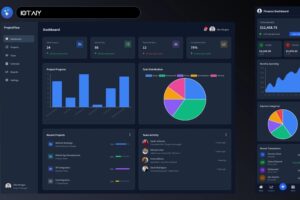

We worked with a company that had developed a promising web application, but users frequently experienced crashes, slow performance, and unexpected errors. The product had great potential, yet customer satisfaction was declining because the software had not gone through a proper software quality assurance process. When they partnered with IOTAIY, our team implemented a comprehensive testing strategy that identified bugs, improved performance, and ensured reliability before deployment. After rigorous quality assurance and testing, the application became stable, faster, and far more reliable for users. This experience highlights why software quality assurance is critical for building dependable applications in today’s competitive digital environment.
What Is Software Quality Assurance
Software Quality Assurance, commonly known as QA, is a systematic process used to ensure that software applications meet defined quality standards before they are released to users. It involves testing, reviewing, and validating software functionality to identify defects and ensure optimal performance.
A strong QA strategy helps businesses deliver reliable digital products that perform consistently across devices, operating systems, and user environments.
The Role of Quality Assurance in Software Development
Quality assurance is not a single step that occurs at the end of development. Instead, it is a continuous process integrated throughout the entire software development lifecycle. QA teams work closely with developers to ensure that each stage of development meets performance, usability, and security standards.
Why Reliable Applications Matter for Businesses
In today’s digital economy, software reliability directly impacts business reputation and customer trust. Applications that frequently crash or produce errors can damage brand credibility and drive users toward competitors.
- Reliable software improves customer satisfaction
- Stable applications reduce operational disruptions
- Quality software strengthens brand reputation
- Consistent performance increases user retention
Understanding the Software Testing Process
Software testing is a fundamental component of quality assurance. It involves systematically evaluating applications to detect bugs, errors, and performance issues before deployment.
Functional Testing
Functional testing ensures that every feature of the application works according to specifications and user expectations.
Performance Testing
Performance testing evaluates how software behaves under different workloads and usage scenarios.
Usability Testing
Usability testing focuses on the user experience and ensures that the application interface is intuitive and easy to navigate.
Preventing Bugs Before They Reach Users
One of the primary goals of software quality assurance is identifying issues early in the development process. Detecting bugs during development is significantly more efficient than fixing them after deployment.
Early bug detection reduces development costs and ensures smoother product launches.
Improving Application Performance Through QA
Performance issues can significantly impact how users perceive an application. Slow loading times, lagging interfaces, or system crashes can quickly lead to frustration.
QA testing helps identify performance bottlenecks so developers can optimize system resources and improve responsiveness.
Ensuring Compatibility Across Platforms
Modern applications must function across multiple browsers, operating systems, and devices. QA testing ensures that software behaves consistently regardless of where or how users access it.
- Cross browser compatibility testing
- Mobile and desktop device testing
- Operating system compatibility checks
- Responsive interface validation
The Importance of Automated Testing
Automation has become an essential component of modern quality assurance strategies. Automated testing tools execute repetitive test cases quickly and accurately, allowing QA teams to focus on complex scenarios that require human analysis.
Manual Testing Still Matters
While automation improves efficiency, manual testing remains important for evaluating real user interactions. Human testers can identify usability issues, visual inconsistencies, and unexpected behaviors that automated tools may miss.
Security Testing in Software Development
Security is one of the most critical aspects of application development. QA teams perform security testing to identify vulnerabilities that could expose sensitive data or compromise system integrity.
Vulnerability Testing
This process identifies potential weaknesses that hackers could exploit.
Data Protection Testing
Ensuring that user data remains secure and protected is essential for compliance and trust.
Comparing Development Without QA and With QA
| Traditional Software | AI Applications |
|---|---|
| Rule-based logic | Learns and improves over time |
| Limited data handling | Optimized for large datasets |
| Basic automation | Intelligent automation |
| Static performance | Adaptive performance |
Reducing Development Costs Through Early Testing
Fixing bugs after software release is significantly more expensive than addressing them during development. Quality assurance helps teams identify issues early, reducing long term development costs and preventing expensive fixes later.
Supporting Agile Development Practices
Many development teams use Agile methodologies to build software in iterative cycles. QA integrates seamlessly with Agile workflows, ensuring that each release meets quality standards before moving to the next stage.
Continuous Integration and Continuous Testing
Modern software development pipelines include continuous integration and testing processes. These systems automatically test new code updates to ensure they do not introduce new issues.
Enhancing User Experience Through Quality Assurance
A reliable application provides a smooth and enjoyable user experience. QA testing ensures that interfaces are intuitive, responsive, and free of errors that could frustrate users. By carefully evaluating how real users interact with an application, quality assurance teams can identify usability issues and improve the overall digital experience.
- Ensuring smooth navigation and intuitive user interfaces
- Detecting and fixing interface bugs that affect usability
- Improving application responsiveness and loading speed
- Maintaining consistent performance across different devices and browsers
- Reducing user frustration by eliminating unexpected errors
Building Scalable and Maintainable Software
Quality assurance contributes to building software that can scale as businesses grow. Stable code structures and consistent testing processes ensure that applications remain maintainable as new features are added.
How IOTAIY Ensures High Quality Software
At IOTAIY, we implement comprehensive testing strategies to ensure that software applications meet the highest performance and reliability standards. Our QA processes include functional testing, performance analysis, and security validation to deliver robust digital solutions.
You can learn more about our development and testing expertise on our About Us page.
The Future of Software Quality Assurance
As technology evolves, quality assurance practices will continue to advance. Artificial intelligence, automated testing tools, and predictive analytics are transforming how QA teams identify and resolve software issues.
Organizations that invest in modern QA strategies will be better positioned to deliver reliable applications and maintain competitive advantages in the digital marketplace.
Conclusion
Software quality assurance is essential for building reliable, secure, and high performing applications. By integrating testing throughout the development lifecycle, businesses can deliver digital products that meet user expectations and operate consistently across environments.
If your organization wants to ensure the reliability and performance of its software products, our team is ready to help. Reach out through our Contact Us page to start building higher quality software solutions today.
Frequently Asked Questions (FAQ)
| 1. What are AI Apps? |
|---|
| AI Apps are intelligent software solutions that use artificial intelligence technologies such as machine learning and automation to perform tasks and make decisions. |
| 2. How long does AI Application development take? |
| Project timelines vary by complexity, but most AI development projects range between 2 to 6 months. |
| 3. Is AI Integration expensive? |
| Costs depend on scope and infrastructure needs, however long-term return on investment typically exceeds the initial cost. |
| 4. Can AI work with my existing systems? |
| Yes. Proper AI integration ensures compatibility with CRM systems, ERP platforms, and digital infrastructure. |
| 5. Is AI suitable for small businesses? |
| Yes. Cloud-based AI solutions make advanced capabilities accessible for businesses of all sizes. |