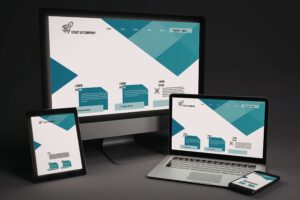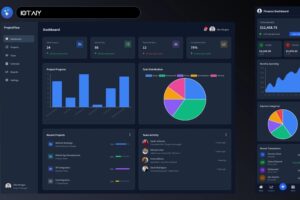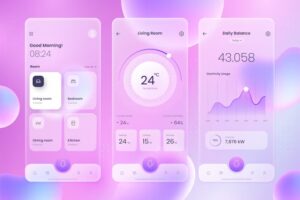

A startup that wanted to launch a modern web application for managing customer workflows reached out to us. They had a strong business idea but struggled to decide which technologies to use. Should they build with React, Angular, or another framework? What backend language would scale best as the product grew? At IOTAIY, we helped them evaluate their requirements and choose the right web application tech stack. By selecting the proper combination of frontend, backend, and infrastructure technologies, the team launched a fast, scalable application that supported thousands of users. This experience shows why choosing the right tech stack is one of the most important decisions when designing modern web applications in 2026.
The Importance of Choosing the Right Tech Stack
A technology stack defines the collection of programming languages, frameworks, libraries, and tools used to build and run a web application. The right stack directly influences application performance, scalability, development speed, and long term maintenance. Businesses that carefully select their stack build applications that are faster, more secure, and easier to expand as user demand grows.
What a Web Application Tech Stack Includes
A modern web application typically consists of multiple layers working together. Each layer plays a specific role in delivering a smooth user experience and handling application logic.
- Frontend technologies for user interfaces
- Backend frameworks for business logic
- Databases for storing application data
- Cloud infrastructure for hosting and scalability
- APIs for system integrations
Frontend Technologies for Web App Design
The frontend is responsible for everything users see and interact with in a web application. Modern frontend frameworks focus on performance, responsiveness, and seamless user experiences.
React for Dynamic Interfaces
React remains one of the most popular frontend libraries in 2026 because of its component based architecture and large ecosystem. It enables developers to create interactive and responsive interfaces quickly.
Vue for Simplicity and Flexibility
Vue offers a lightweight framework that balances simplicity with powerful functionality. Many startups choose Vue because it is easy to learn and allows rapid development.
Angular for Enterprise Applications
Angular provides a full featured framework suitable for large scale enterprise applications that require structured architecture and robust performance.
Backend Technologies That Power Applications
The backend layer processes requests, manages databases, and handles business logic. Choosing a reliable backend technology ensures that applications can handle large amounts of data and user activity.
Node.js for Scalable Applications
Node.js enables developers to use JavaScript across both frontend and backend environments. Its event driven architecture makes it ideal for real time applications and scalable services.
Python for Rapid Development
Python frameworks such as Django and Flask allow developers to build powerful backend systems quickly while maintaining readability and efficiency.
PHP for WordPress and Web Platforms
PHP remains widely used for web development, particularly in content driven platforms and ecommerce solutions.
Database Technologies for Modern Applications
Databases are responsible for storing and managing application data. Choosing the right database depends on the structure and complexity of the information being stored.
- MySQL for structured relational data
- PostgreSQL for advanced relational databases
- MongoDB for flexible document based storage
- Redis for caching and performance optimization
Cloud Infrastructure and Hosting
Cloud infrastructure plays a critical role in ensuring that applications remain available and scalable. Modern cloud platforms allow businesses to deploy applications quickly while managing traffic efficiently.
Amazon Web Services
AWS offers powerful cloud infrastructure with scalable storage, computing, and networking capabilities.
Google Cloud Platform
Google Cloud provides high performance computing services and advanced analytics tools.
Microsoft Azure
Azure is widely used by enterprises for integrating cloud services with business systems.
APIs and Integration Technologies
Web applications often rely on APIs to connect with external services such as payment gateways, authentication systems, and third party platforms. API integration ensures that applications can interact with other tools efficiently.
Performance Optimization in Web Applications
Application performance is a key factor in user satisfaction. Slow loading times and inefficient data handling can drive users away.
- Content delivery networks for faster content delivery
- Caching strategies for improved response times
- Optimized database queries
- Efficient server side processing
Security Considerations in Web App Development
Security is essential when designing web applications that handle sensitive data. Developers must implement security measures that protect both the system and its users.
- Secure authentication systems
- Data encryption protocols
- Protection against common vulnerabilities
- Regular security testing
Comparing Traditional Development and Modern Tech Stacks
| Traditional Software | AI Applications |
|---|---|
| Rule-based logic | Learns and improves over time |
| Limited data handling | Optimized for large datasets |
| Basic automation | Intelligent automation |
| Static performance | Adaptive performance |
Scalability for Growing Applications
Applications must be designed to scale as user numbers increase. A well selected tech stack allows developers to expand infrastructure and add features without rebuilding the entire system.
Development Speed and Team Productivity
The choice of technology affects how quickly developers can build and deploy applications. Frameworks with large ecosystems and strong community support often accelerate development processes.
Cost Efficiency in Technology Selection
Businesses must balance performance with development costs. Open source frameworks and scalable cloud services allow organizations to build powerful applications without excessive expenses.
Future Trends in Web App Technology
Technology continues to evolve rapidly. In the coming years, artificial intelligence integrations, serverless computing, and microservices architectures will shape the future of web application development.
How IOTAIY Helps Businesses Choose the Right Tech Stack
At IOTAIY, we help organizations evaluate their project requirements and select technology stacks that align with their long term goals. Our development team focuses on building scalable, secure, and high performing web applications that deliver excellent user experiences. You can learn more about our approach on our About Us page.
Conclusion
Choosing the right tech stack is one of the most important decisions in web application development. The right combination of frontend frameworks, backend technologies, databases, and cloud infrastructure ensures that applications remain fast, scalable, and secure.
If you are planning to build a modern web application and want guidance on selecting the best technology stack, our team is ready to help. Reach out through our Contact Us page to start building your next digital product.
Frequently Asked Questions (FAQ)
| 1. What is a tech stack in web app design |
|---|
| A tech stack is the combination of frontend backend frameworks databases and tools used to build and run a web application. |
| 2. Which frontend technologies are popular for web app design in 2026 |
| Popular frontend technologies include React Angular Vue and modern JavaScript frameworks for building interactive interfaces. |
| 3. What backend technologies are commonly used for web applications |
| Node JS Python Django Laravel and .NET are commonly used backend technologies for building scalable web applications. |
| 4. How do businesses choose the right tech stack for web apps |
| Businesses choose a tech stack based on scalability performance project requirements development speed and team expertise. |
| 5. Why is choosing the right tech stack important for web apps |
| The right tech stack ensures better performance scalability security and long term maintainability of the application. |